Key takeaways
- Pressure can be a performance ally, not just a stressor.
- Useful challenge depends on the task and available resources.
- Too little demand can leave us disengaged.
- Too much, for too long, can overwhelm capacity.
 Get Started Account

THE FIELD GUIDE FOR PRESSURE, PERFORMANCE AND RESILIENCE
Practical, human-centred learning to understand pressure, build capacity and resilience, and keep going in work, sport and life.
All six chapters, seventeen discoveries and four themes remain free, open and unchanged. No quiz or account needed.

How pressure works, why it helps, when it hinders and how to find your useful stretch.
Explore the discoveryPRESSURE × PERFORMANCE
Open the interactive model The Six Cs
Six connected capacities for lasting resilience.
 Circle of Control
Know where your influence starts.
 Credits In / Out
What gives capacity back or takes it away.
 Recovery & Reset
Recover, refocus and restore your capacity.
 RISE
Find a practical route through uncertainty.
 Boundaries under Pressure
Protect time, energy and what matters.
The Six CsA useful place to beginSix complete reading chapters. Choose where you'd like to begin.
The Six CsSix connected capacities for lasting resilience.Circle of ControlKnow where your influence starts.Credits In / OutWhat gives capacity back or takes it away.Recovery & ResetRecover, refocus and restore your capacity.RISEFind a practical route through uncertainty.Boundaries under PressureProtect time, energy and what matters.Seventeen ideas. Each opens into real teaching and practical reflection.
Thinking models you can actually use.
The Six CsSix connected capacities for lasting resilience.Circle of ControlKnow where your influence starts.RISEFind a practical route through uncertainty.Boundaries under PressureProtect time, energy and what matters.Recognise. Reframe. Respond.Make space for a different response.HEROPsychological capital in practice.Exercises and practical instruments you can try now.
Interactive pressure curveExplore how demand and capacity interact.Credits In / OutReflect on what gives or drains capacity.Pause & ResetGive yourself a moment.Build a RISE planTurn one thought into a next step.Personal Pressure ProfileGet a clearer starting point.Follow what matters right now. No artificial completion scores.
Build your pressure capacitySix Cs, bandwidth and capacityPerform with clarityChoose what you can influenceRecover, reset & rebuildBuild foundations before you need themThe WeRise RISE pathwayFrom recognition to practical actionContinue from the ideas you've chosen to save on this device.
A NOTE BEFORE YOU BEGIN
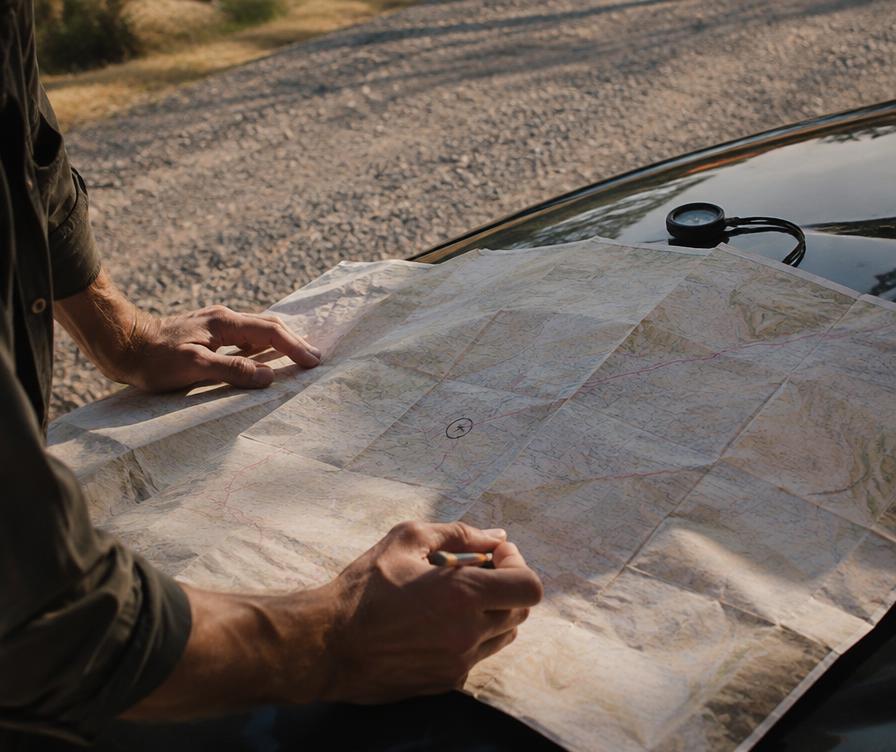
“The map is a guide. Your real life is where you decide what fits.”
This is the thinking behind Time Under Tension brought to life. Read at your own pace, try an activity, look at the sources and keep what you want to carry forward. Learning here is useful on its own.
Your time and attention matter. Spend three minutes with one idea or immerse yourself in a chapter. No account, prescribed course or score. When you're ready to practise more deliberately, The Forge is the next door, not a condition of being here.
HOW THIS PLACE WORKS
Read a clear explanation, see the thinking behind it and decide what feels relevant.
Explore a free example, a tool or your Pressure Profile. You decide what to keep.
When you want more than information, use the training centre to rehearse, act and reflect.
See how The Forge worksTHE CONTENTS
Six reading chapters hold seventeen individual experiences, including Growth Mindset, psychological capital and ikigai-related meaning. No right order. Open what interests you.
 01
Why the way we talk about resilience deserves a rethink.
Open chapter 02
The point where challenge becomes too much, and the choices still within reach.
Open chapter03Six connected capacities for handling hard things better.
Open chapter 04
What gives something back, what takes it away, and what supports the load.
Open chapter 05
The small space between what happens and how you respond.
Open chapter06Good ideas become valuable when you carry them into real life.
Open chapterTHE DISCOVERY INDEX
You can go straight to a topic. Each has practical context, examples, questions and an optional way to keep learning.
Existing tools and frameworks, organised so you can find them without losing the depth behind them.
Return to discoveries you've actually saved. Your exercise answers are not published or turned into invented progress scores.
No saved discoveries yet. When something matters, save its title inside the chapter and find it here later.
Open Saved DiscoveriesTHREE QUESTIONS WORTH ASKING
Putting something off can be wise. But sometimes another month of waiting is a month you don't get back. What's one thing worth examining now?
Turn a thought into a RISE planRest, connection, capacity and boundaries are easier to protect before everything is on fire. You don't have to earn recovery.
Explore the Basecamp foundationsChoose your hard carefully. Your time, energy and circumstances are real. Small repeated choices can build useful habits. The popular “1% better” framing comes from James Clear's Atomic Habits, not original WeRise research.
Try one real small rep Read James Clear's original contextThese are practical reflection prompts, not medical predictions. Illness and chronic disease have many causes; this page does not diagnose or prevent them.
JUSTIN MEREDITH / FROM THE PAGE INTO LIFE
WeRise grows from Time Under Tension: Building the Resilience Muscle and High Performance & Boundaries. The Six Cs are Justin Meredith’s original teaching synthesis. RISE and the Three Rs are routes for putting it into practice.
Connect · Control · Condition · Challenge · Choose · Commit
Start with one useful idea, free. Choose a feasible next move, including asking for help or protecting recovery. Practise in The Forge if you want to take it further.
Justin Meredith · Time Under Tension: Building the Resilience MusclePrinted pp. 47–74 · Six Cs; pp. 211–230 · Three Rs; pp. 231–254 · RISE and review
Justin Meredith · Time Under Tension: High Performance & BoundariesPrinted pp. 3–5 · Build Your Island; pp. 14–39 · capacity, boundaries, rhythm and delegation; pp. 40–47 · practice and renewal
Page ranges follow the founder-source ledger for the supplied editions. These explanations are adaptations, not verbatim quotations.
The Six Cs are Justin Meredith’s original teaching synthesis: Connect, Control, Condition, Challenge, Choose, Commit. RISE and the Three Rs connect those ideas to decisions, practice and review. The digital exercises are applications of that teaching, not the books reproduced in full.
Covey, S. R. (1989). The 7 Habits of Highly Effective People. Free Press. Habit 1.Circles of Concern and Influence: directing effort towards what can be affected. Linked reading is an Oxford teaching resource.Read the source contextWeRise’s separate inner Control ring, parking choices and prompts are adaptations, not a validated Covey assessment.
Luthans, F., Avolio, B. J., Avey, J. B., & Norman, S. M. (2007). Positive psychological capital: Measurement and relationship with performance and satisfaction. Personnel Psychology, 60, 541–572.Two studies of hope, efficacy, resilience and optimism and their relationships with performance and satisfaction.Read the source contextWeRise’s four self-reflection controls are not the Psychological Capital Questionnaire. No total, norm or validated PsyCap score is calculated.
Dweck, C. S. (2006). Mindset: The New Psychology of Success. Random House.Beliefs about whether abilities can develop; a basis for examining “I can’t”.A change in wording alone does not establish growth or remove material constraints.
These origins do not independently validate the WeRise synthesis, digital programme or diagnostic measures. General science is not exclusive WeRise IP. Harmful conditions may need practical change or qualified support, not another personal technique.
Text-led teaching is available now. A founder recording is not yet available. No recording, transcript or exact quotation is implied.
Explore research and limitations
THE NEXT DOOR / THE FORGE
The Arena is open and free to explore. The Forge is where learning becomes continuing practice: rehearse, act, recover and reflect.
Explore Forge membership Try Thriving & GrowingA REASON TO COME BACK
When you find an idea you like, you can keep its title in Saved Discoveries on this device. Your actual exercise answers stay yours. The next time you visit, you don't have to begin from nothing.
Saved Discoveries
THE THINKING BEHIND THE FIELD GUIDE